GMAT Vs GRE For MBA Admission Choose Your Path Wisely
GMAT Vs GRE For MBA Admission is a pivotal topic for aspiring MBA students trying to navigate the complexities of graduate school entrance exams. Both the GMAT and GRE serve as gateways to prestigious MBA programs, yet they cater to different strengths and preferences. Understanding the nuances of each test can significantly impact your application strategy and ultimately your future career in business.
The GMAT, specifically designed for MBA candidates, emphasizes analytical writing, quantitative reasoning, and integrated reasoning skills. In contrast, the GRE offers a broader scope, appealing to a wider range of graduate programs, including business schools. By exploring their formats, scoring systems, and intended audiences, you’ll be better equipped to make an informed decision about which exam aligns with your goals.
Overview of GMAT and GRE
The Graduate Management Admission Test (GMAT) and the Graduate Record Examination (GRE) are two prominent standardized tests used for admission into graduate programs, particularly in business schools. Both exams serve as critical components in evaluating applicants’ readiness for advanced study, although they cater to different educational paths and have distinct structures.The GMAT is specifically designed for MBA admissions, focusing on skills such as analytical writing, integrated reasoning, quantitative reasoning, and verbal skills.
In contrast, the GRE is broader, targeting a wider range of graduate programs, including business, law, and more. It assesses verbal reasoning, quantitative reasoning, and critical thinking skills. Understanding the formats, durations, and scoring systems of these tests is essential for prospective students.
Test Formats and Durations
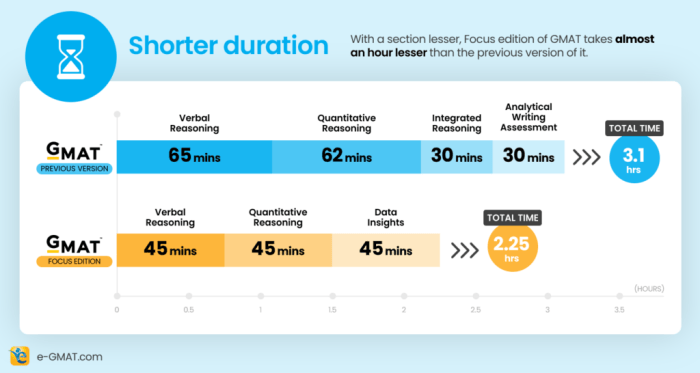
Both the GMAT and GRE are computer-adaptive tests, meaning the difficulty of questions adjusts based on the test-taker’s performance. The GMAT typically lasts about 3 hours and 30 minutes, while the GRE has a total testing time of approximately 3 hours and 45 minutes. Here’s a brief overview of their formats:
- GMAT:
- Sections include Analytical Writing Assessment, Integrated Reasoning, Quantitative, and Verbal.
- Each section has specific time limits, contributing to the overall duration.
- GRE:
- Sections consist of Analytical Writing, Verbal Reasoning, and Quantitative Reasoning.
- The test includes two tasks in the writing section and allows a break after the third section.
Scoring Systems
The scoring systems for the GMAT and GRE differ significantly, reflecting their unique purposes. The GMAT is scored on a scale of 200 to 800, with separate scores for each section, while the GRE scores range from 130 to 170 for the verbal and quantitative sections, each in one-point increments, and a separate score of 0 to 6 for the analytical writing section.
The GMAT score is a crucial determinant for MBA candidates, while GRE scores provide flexibility for a variety of graduate disciplines.
An essential aspect of both tests is how schools interpret scores. Many business schools value GMAT scores highly, whereas some accept GRE scores as equivalent, providing candidates more options.
Key Differences Between GMAT and GRE
The GMAT and GRE are both standardized tests widely accepted for graduate-level admissions, including MBA programs. However, they differ in structure, question types, scoring systems, and overall focus. Understanding these differences can help prospective students choose the exam that aligns best with their strengths and career goals.
Structure and Sections of GMAT and GRE
Both the GMAT and GRE have distinct structures that cater to different skills. The GMAT consists of four main sections: Analytical Writing Assessment, Integrated Reasoning, Quantitative, and Verbal.
Analytical Writing Assessment (AWA)
Involves one essay where test-takers analyze an argument.
Integrated Reasoning (IR)
Tests the ability to evaluate information presented in multiple formats.
Quantitative Section
Focuses on problem-solving and data sufficiency.
Verbal Section
Assesses reading comprehension, critical reasoning, and sentence correction.In contrast, the GRE is structured with three sections: Analytical Writing, Verbal Reasoning, and Quantitative Reasoning.
Analytical Writing
Comprises two tasks, including an argument analysis and an issue analysis.
Verbal Reasoning
Includes reading comprehension, text completion, and sentence equivalence questions.
Quantitative Reasoning
Focuses on arithmetic, algebra, geometry, and data analysis.The GMAT’s Integrated Reasoning section is unique and specifically designed to assess complex reasoning skills, while the GRE’s focus on vocabulary and text completion reflects a broader academic approach.
Types of Questions and Focus Areas
The types of questions present in each exam cater to different skill sets, which can influence a candidate’s choice. In the GMAT:
Data Sufficiency
Requires test-takers to determine whether a given statement provides enough information to answer a question.
Critical Reasoning
Involves analyzing arguments and identifying assumptions.
Sentence Correction
Tests grammatical skills and understanding of effective communication.The GRE focuses more on verbal reasoning and includes:
Text Completion
Involves filling in blanks in sentences.
Sentence Equivalence
Requires selecting two answer choices that result in a similar meaning.
Reading Comprehension
Emphasizes the ability to understand and analyze written passages.While the GMAT is tailored for business school candidates, prioritizing analytical and reasoning skills, the GRE appeals to a broader range of disciplines, emphasizing vocabulary and comprehension.
Scoring Interpretation and Percentile Rankings
Understanding the scoring systems of GMAT and GRE is crucial for interpreting results effectively.
GMAT
The total score ranges from 200 to 800, calculated based on the Quantitative and Verbal sections. Each section is scored individually, with the AWA and IR scores reported separately. The percentile ranking indicates the percentage of test-takers who scored lower than a specific score, allowing candidates to gauge their performance relative to others.
GRE
The total score ranges from 260 to 340, combining the Verbal and Quantitative sections, each scored between 130 and 170. The Analytical Writing score is reported separately on a scale of 0 to 6. Similar to the GMAT, GRE scores come with percentile rankings, providing insight into how well a candidate performed compared to peers.Both tests have different interpretations of scores, and understanding these can significantly impact admissions decisions.
It’s important to note that top-tier business schools often have specific score thresholds for applicants, and familiarity with these details can aid in test preparation and strategy.
Target Audience and Acceptance

Source: atebits.com
Understanding the target audience for GMAT and GRE is crucial for prospective MBA students. Each test appeals to different profiles of candidates and is preferred by various types of MBA programs. This section Artikels which MBA programs typically favor GMAT scores, which accept GRE scores, and provides an overview of the demographic profiles of students who take each exam.Certain MBA programs explicitly favor GMAT scores, particularly those that are more traditional or competitive in nature.
Programs focusing on finance, consulting, and business analytics often prefer GMAT applicants due to the test’s emphasis on quantitative and analytical skills. In contrast, many programs, especially those with a broader focus on interdisciplinary studies or those that have recently adopted more flexible admissions policies, accept GRE scores as well. The acceptance rates between the two tests vary significantly across different institutions.
Statistics on Acceptance Rates
The landscape of test acceptance for MBA admissions has evolved over the years. While the GMAT remains a standard for many schools, statistics indicate a growing acceptance of GRE scores.
- According to recent data, approximately 90% of MBA programs accept GMAT scores.
- As of the last survey, around 70% of MBA programs now accept GRE scores, marking a notable increase from previous years.
- A select few schools, primarily those with a focus on technology or innovation, have begun to favor GRE scores over GMAT scores.
These statistics showcase the shifting dynamics in graduate business education, highlighting the increasing flexibility in admissions criteria.
Demographic Profiles of Test-Takers
The demographic profiles of GMAT and GRE test-takers highlight distinct trends and motivations behind each exam. GMAT test-takers tend to come from a business background, typically aiming for traditional MBA programs. In contrast, GRE test-takers often include individuals with diverse academic backgrounds, including those from liberal arts and STEM fields.
- GMAT test-takers are often older, with an average age of around 27 years, and frequently possess work experience in business-related fields.
- GRE test-takers are generally younger, with an average age of 24 years, and may be pursuing various graduate programs beyond just business, such as law or public policy.
- International students represent a significant portion of both test-taker pools, but there is a higher percentage of international applicants among GRE test-takers, reflecting its broader acceptance across disciplines.
This differentiation in demographics underscores the varied paths students take towards their MBA aspirations, influenced by their educational and professional backgrounds.
Preparation Strategies
Source: e-gmat.com
Preparing for the GMAT or GRE requires a strategic approach that aligns with your individual strengths and weaknesses. Whether you’re leaning towards the GMAT or the GRE, having a well-structured study plan, utilizing the right resources, and practicing effectively are key components to achieving success on these tests. This section Artikels effective study plans, recommended materials, and practical tips for maximizing your preparation.
Effective Study Plans
A solid study plan is essential for effective preparation. Both the GMAT and GRE tests require a dedicated time commitment and a focused approach. Creating a study schedule that breaks down content into manageable sections can help you stay motivated and on track.For GMAT preparation, consider dedicating at least two to three months of consistent study. A general structure could include:
- Week 1-2: Review basic math concepts, including arithmetic, algebra, and geometry.
- Week 3-4: Focus on verbal reasoning skills, particularly reading comprehension and critical reasoning.
- Week 5-6: Practice integrated reasoning and analytical writing, honing skills through practice prompts.
- Week 7-8: Take full-length practice tests under timed conditions to build stamina and identify weaknesses.
For GRE preparation, a similar timeline can be applied, but with a strong emphasis on vocabulary and reading comprehension. A suggested plan might look like this:
- Week 1-2: Build vocabulary through targeted exercises and flashcards.
- Week 3-4: Practice quantitative reasoning, focusing on data interpretation and problem-solving strategies.
- Week 5-6: Enhance verbal reasoning skills, particularly through critical reading and text completion exercises.
- Week 7-8: Take full-length practice exams and familiarize yourself with the GRE’s computer format.
Recommended Resources and Materials
Using high-quality resources can significantly enhance your study experience. For both the GMAT and GRE, a combination of official guides, online courses, and practice software can be beneficial.For GMAT preparation, consider the following resources:
- The Official GMAT Study Guide by the Graduate Management Admission Council (GMAC)
- GMATPrep software, which includes free practice tests and questions
- Popular prep courses from companies like Kaplan, Manhattan Prep, or Magoosh
For GRE preparation, recommended materials include:
- The Official GRE Super Power Pack, consisting of actual test questions from previous years
- ETS’s PowerPrep II software for practice tests
- Online courses such as those offered by Princeton Review or Kaplan
Practicing with Sample Questions and Mock Exams
Consistent practice with sample questions and mock exams is vital for developing test-taking strategies and building confidence. Integrating practice into your study routine can be done effectively by:
- Setting aside dedicated time for practice each week, using both official practice questions and third-party resources.
- Reviewing incorrect answers to understand reasoning and identify areas for improvement.
- Simulating test-day conditions by taking full-length practice exams under timed settings.
Utilizing resources like question banks and mobile apps can also provide additional practice opportunities.
“The path to success is to take massive, determined action.”
Tony Robbins
Cost and Accessibility

Source: targettestprep.com
The cost and accessibility of the GMAT and GRE exams play a significant role in the decision-making process for prospective MBA students. Understanding the financial commitments and the availability of testing locations can help candidates plan better for their examination journey.Both the GMAT and GRE have specific registration fees, which vary based on additional services and features offered by the respective testing organizations.
Registration Fees
The registration costs for both exams are structured to accommodate various needs, but there are certain additional charges that candidates should be aware of. The standard fees are as follows:
- GMAT: The base registration fee for the GMAT is approximately $275. However, additional costs may arise from rescheduling fees ($100), changing the test center ($100), and additional score reports ($35 each).
- GRE: The GRE General Test has a registration fee of approximately $205, with additional costs for rescheduling ($50), changing the test center ($50), and sending extra score reports ($27 each).
Accessibility of Test Centers
Accessibility can greatly influence a candidate’s choice between the two exams, especially considering the locations and availability of test centers. The GMAT and GRE provide numerous testing locations worldwide, but their accessibility can vary based on geography.
- GMAT: The GMAT is offered at over 600 test centers in more than 114 countries. The availability of seats may vary, particularly during peak application seasons.
- GRE: The GRE is available at approximately 1,000 test centers in over 160 countries, providing a broader accessibility range, especially in urban areas.
Online Testing Options
Both exams have adapted to the changing educational landscape by offering online testing options, providing flexibility for candidates unable to attend physical test centers. Online testing allows candidates to take their exams from the comfort of their homes, ensuring a more accessible experience.
- GMAT Online: The GMAT Online test is available globally and allows test-takers to complete the exam remotely. It includes the same sections as the traditional exam, though it currently lacks the integrated reasoning section.
- GRE Online: The GRE General Test is also offered in an online format, allowing test-takers to choose between a home-based test or a test center. This option provides the same features as the in-person test, including the ability to review and change answers within sections.
“The availability of online testing options for both GMAT and GRE enhances accessibility, allowing candidates to choose what works best for them.”
Impact on MBA Admissions: GMAT Vs GRE For MBA Admission
The role of GMAT and GRE scores in MBA admissions cannot be overstated, as these standardized tests play a significant part in the evaluation of applicants. Admissions committees use these scores as one of several metrics to assess a candidate’s academic potential and readiness for the rigors of graduate business education. While the scores are important, they represent just one piece of a larger puzzle that includes various elements of the application, such as work experience, personal essays, and letters of recommendation.Admissions committees view GMAT and GRE scores in relation to other application components, assessing how these scores complement an applicant’s overall profile.
A high test score can bolster an application, especially if other elements like GPA or work experience are less competitive. Conversely, a lower score may be mitigated by exceptional achievements or compelling personal narratives. This holistic approach allows committees to gauge not just a candidate’s quantitative skills, but also their potential for leadership and innovation within the business realm.
Correlation of Test Scores with MBA Success
Understanding the correlation between test scores and success in MBA programs is essential for prospective students. Research indicates that while GMAT and GRE scores can predict academic performance, they are not the sole indicators of future success in an MBA program or in a professional career. Here are some insights into this relationship:
- Predictive Value: Studies have shown that GMAT scores correlate positively with first-year grades in MBA programs, particularly in quantitative courses. This suggests that a strong score may indicate a solid foundation for academic achievement.
- Beyond Academics: While test scores are valuable, soft skills such as teamwork, communication, and leadership also play a crucial role in an MBA candidate’s overall success. Programs often emphasize these skills through group projects and case studies.
- Long-term Career Outcomes: Some research indicates that graduates with higher GMAT scores tend to find better job placements and higher starting salaries. However, it’s imperative to note that personal networks and internships often play a more significant role in career advancement.
- Classroom Participation: Students with strong test scores may feel more confident in contributing to class discussions, enhancing both their learning experience and that of their peers. This engagement can lead to deeper understanding and retention of the material.
“Test scores are not the only metrics of success; they should be viewed as part of a broader narrative that includes experience and personal growth.”
Understanding the complex interplay between GMAT/GRE scores and an applicant’s overall profile is vital for both candidates preparing for their MBA journey and admissions committees looking to build a well-rounded class.
Personal Considerations for Test Selection
Selecting the appropriate test for MBA admission is a significant decision that requires careful consideration of various personal factors. Each student’s background and aspirations can influence whether the GMAT or GRE is the better fit for their applications. Understanding these personal dimensions is essential for making an informed choice that aligns with individual strengths and career goals.When weighing the options between the GMAT and GRE, students should reflect on their academic strengths, test-taking habits, and long-term professional aspirations.
Both tests cater to different skill sets and preferences, making it crucial for potential test-takers to evaluate their personal attributes in relation to the format and content of each exam.
Factors Influencing Test Selection
Several key factors can guide students in selecting the right test for their MBA journey. These considerations include personal strengths and weaknesses, career objectives, and specific requirements of targeted programs.
- Quantitative and Verbal Skills: Assessing your proficiency in math and language can provide insight into which test may play to your strengths. The GMAT places a heavier emphasis on quantitative skills and analytical writing, while the GRE offers more flexibility with its verbal section.
- Test Format Preference: The GMAT consists of four sections focusing on Integrated Reasoning, Quantitative, Verbal, and Analytical Writing. In contrast, the GRE includes Verbal Reasoning, Quantitative Reasoning, and Analytical Writing. Students should consider which format aligns better with their comfort level.
- Stress Management: Personal test-taking experiences can impact performance. If a student finds high-pressure multi-section tests intimidating, the GRE’s flexibility with section order may be more appealing.
- Career Goals: The choice of test can be influenced by specific career paths. For instance, those pursuing careers in consulting or finance may find the GMAT more recognized, while those looking at tech or other fields may find the GRE more accepted.
Identifying Personal Strengths and Weaknesses, GMAT Vs GRE For MBA Admission
Recognizing individual capabilities is critical in deciding between the GMAT and GRE. Here are several aspects to consider:
- Strengths in Mathematics or English: If students excel in quantitative reasoning, the GMAT might showcase their skills effectively. Conversely, those with strong verbal reasoning might prefer the GRE, which offers a broader spectrum of verbal questions.
- Study Habits: Different preparation styles can influence success. Whether a student thrives on extensive study sessions or prefers concise, targeted practice can make one test more manageable than the other.
- Time Management Skills: Both tests require effective time management. Understanding personal pacing on similar tests can help determine the right choice.
Impact of Career Goals on Test Decision
Long-term career aspirations can significantly impact the decision of which test to take. Various industries and companies have preferences when it comes to standardized tests:
- Industry Norms: Certain fields may favor one test over the other. For example, management consulting firms often prioritize GMAT scores, while tech companies may accept GRE scores more readily.
- School Preferences: Researching the MBA programs of interest can reveal preferences for GMAT or GRE scores. Some schools accept both tests but may have average score expectations based on the chosen test.
- Networking Opportunities: Students aiming for specific companies or networks should consider which test aligns with those firms’ hiring practices. This alignment can enhance the overall effectiveness of their application.
Trends and Future Considerations
Recent trends in MBA admissions highlight a significant shift in the preferences of business schools toward standardized testing. With the increasing acceptance of both the GMAT and GRE for MBA applications, prospective students are confronted with more options than ever. This evolution reflects broader changes in the educational landscape, as institutions adapt to the diverse needs of applicants and the demands of a dynamic job market.As the landscape of standardized testing evolves, more graduate programs are re-evaluating their admission requirements.
The emphasis on standardized tests is being reconsidered in light of holistic admissions processes that take into account various facets of a candidate’s profile. This shift is not only allowing for greater flexibility but is also providing opportunities for candidates who may excel in other areas beyond standardized testing.
Shifts in Standardized Testing Preferences
The past few years have seen a notable trend where many MBA programs are moving toward a more inclusive approach regarding standardized testing requirements. The reasons for this shift encompass various factors:
- Increased Acceptance of GRE: Many business schools, traditionally focused on the GMAT, are now accepting the GRE, allowing candidates from diverse academic backgrounds to apply without the pressure of switching tests.
- Holistic Admissions Policies: Schools are increasingly valuing work experience, leadership qualities, and personal essays alongside test scores, leading to a more well-rounded evaluation of applicants.
- Test-Optional Policies: Some institutions have introduced test-optional admissions, providing candidates with the choice to forgo standardized testing altogether, especially in light of the disruptions caused by the COVID-19 pandemic.
- Adaptive Testing Trends: The move toward adaptive testing formats, such as the GRE, which can cater to a candidate’s ability level, is gaining traction as it allows for a more tailored assessment of skills.
Future Predictions in Test Acceptance Policies
Looking ahead, it is likely that we will continue to see significant changes in how business schools approach standardized tests. The following potential changes could shape the future of GMAT and GRE acceptance:
- Integration of New Assessment Methods: As technology evolves, schools may adopt alternative assessment methods, such as online evaluations and video interviews, supplementing traditional test scores.
- Focus on Skills Over Scores: Programs may increasingly prioritize soft skills and practical experience, reflecting the skills needed in the modern business environment rather than solely relying on numerical scores.
- Collaboration with Testing Agencies: Schools may work closely with GMAT and GRE organizations to develop customized assessments that better align with their curriculum and desired candidate profiles.
- Global Testing Accessibility: Efforts to improve access to standardized testing in developing regions may lead to a more diverse applicant pool, influencing admissions policies to be more inclusive.
“In the evolving landscape of MBA admissions, the focus is shifting from purely quantitative measures to a more comprehensive evaluation of a candidate’s potential.”
Ending Remarks
In conclusion, choosing between the GMAT and GRE for MBA admission is a significant decision that can shape your academic and professional trajectory. Both tests have their unique advantages and drawbacks, and understanding these can help you select the one that best fits your skills and aspirations. As the landscape of graduate admissions evolves, staying informed about trends and policies will ensure you are well-prepared for the challenges ahead.
Expert Answers
Which test is easier GMAT or GRE?
The perceived difficulty varies by individual strengths; those strong in math may prefer GMAT, while verbal-focused students might lean towards GRE.
Do all MBA programs accept GRE scores?
No, not all MBA programs accept GRE scores; it’s essential to check the specific requirements of each program.
Can I take GMAT or GRE online?
Yes, both exams offer online testing options, allowing for flexibility based on your schedule.
How long are GMAT and GRE scores valid?
Both GMAT and GRE scores are valid for five years after the test date.
What is a good score on the GMAT or GRE for MBA admission?
A good score varies by program; generally, a GMAT score above 700 or a GRE score above 320 is considered competitive.